Skip to content

Minimalist glamour or heritage craft? A practical, luxury-led guide for South African projects – balancing aesthetics, durability, and day-to-day maintenance.
Luxury cabinetry is not just the look you fall for on install day. It is the daily reality of fingerprints, steam, splashes, school mornings, dinner parties, and expecting doors to stay beautifully aligned for 10 to 15 years. When you invest in bespoke cabinetry, you are investing in how your home functions and feels every day.
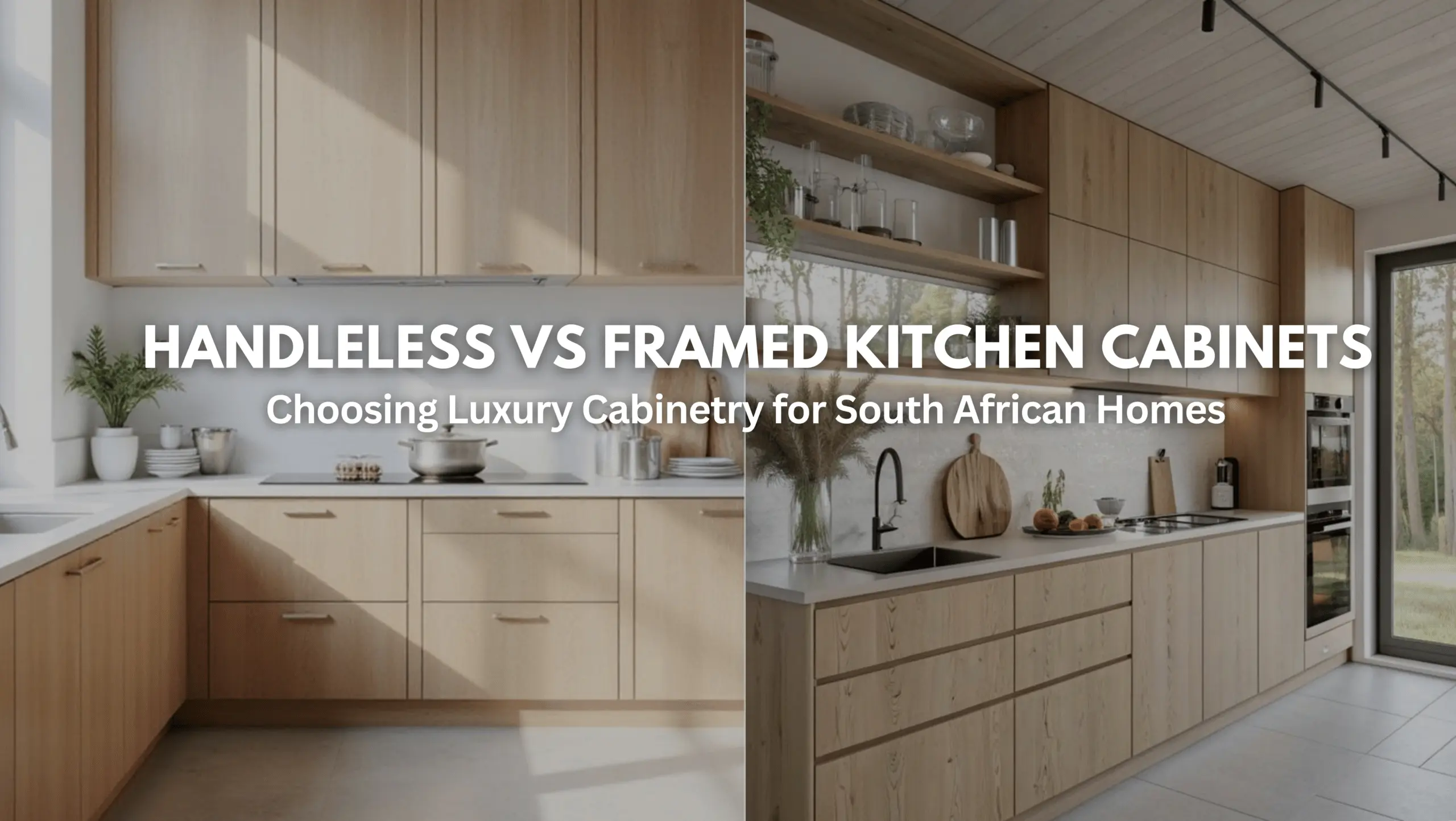
Design reporting continues to point towards warmer, timber-led kitchens, alongside enduring appetite for transitional spaces that blend contemporary simplicity with classic detailing. That is exactly why the handleless kitchen cabinets versus framed kitchen cabinets decision matters: both can read premium, but they perform differently once real life moves in.
Research snapshot
Recent reporting shows timber and wood-led cabinetry remaining highly desirable, while transitional kitchens continue to dominate as the safest luxury style choice for homeowners who want longevity with a fresh, current feel. In South Africa, makers are spotlighting natural wood and refined Shaker framing, while handleless solutions increasingly rely on engineered motion systems and aluminium grip profiles to achieve seamless open-plan lines without compromising day-to-day usability.
Step 1: Define what you are actually choosing
What does “handleless” really mean?
When clients say they want handleless kitchen cabinets, they often mean one of two systems, or a combination.
1) Push-to-open fronts (mechanical opening)
This is the ultra-minimal look: no visible handles, no grip channel. You open doors or drawers by pressing the front, and the mechanism releases. In a luxury specification, the mechanism matters as much as the cabinetry itself. Mechanical systems designed for handleless fronts can combine touch-to-open with a controlled soft-close action, which supports a refined, quiet experience that feels unmistakably premium.
What it means in practice:
- You will touch the door front more often, so finishes must be selected for frequent contact.
- Installation precision matters, because consistent gaps and clean lines are part of the aesthetic.
2) Grip-profile handleless (the recessed channel approach)
This approach uses a profile, typically aluminium, that creates a recessed grip line along the cabinetry. It delivers a clean look while giving your hand a reliable place to pull, which many homeowners prefer on high-use drawers. Profile systems are a real detailing decision, with specific lengths, finishes, and dimensions that influence visual rhythm, joinery tolerances, and the final feel.
What it means in practice:
- You may touch the channel more often than the flat front, helping the front faces look cleaner.
- The profile line becomes part of the design language and should be aligned consistently.
3) Hybrid handleless
Many high-end projects combine both systems: profile grips on everyday drawers and push-to-open on occasional-use cupboards. Done well, this improves daily satisfaction while preserving the seamless aesthetic clients want.
What counts as “framed” cabinetry?
Framed kitchen cabinets describe a family of designs that bring structure and depth to door fronts.
- Shaker kitchen cupboards: a framed door style with a centre panel and a surrounding frame. Today’s refined versions often use slimmer proportions for a lighter, more contemporary expression.
- Face-frame cabinetry: a structural frame on the cabinet opening that adds rigidity and gives a stable reference for door alignment.
- In-frame kitchen style: doors sit within a visible frame opening, creating a crafted, furniture-like impression associated with heritage joinery.
The practical takeaway: “framed” is not only aesthetic. Framing can add stiffness and help the cabinetry hold crisp alignment over time, supporting the long-life expectations that come with luxury investment.
Step 2: Compare them across real, daily-use criteria
Maintenance and cleaning: fingerprints, smudges, and the reality of cooking
This is often the deciding factor once clients move beyond beautiful images.
Handleless (push-to-open)
- The surface becomes the touch point. If you choose deep tones or super-matt finishes, marks may show more readily under strong lighting.
- The win is simplicity in form: fewer protrusions and a calm, uninterrupted plane.
Luxury-led specification tip:
- Select finishes that are designed to perform under frequent contact and wiping, and consider subtle texture or timber grain that naturally disguises everyday marks.
Handleless (grip-profile)
- You grip the channel, reducing the frequency of touching the full door face.
- The channel must be detailed for easy cleaning, especially near cooking zones.
Framed doors (Shaker, in-frame cues)
- Frames introduce edges and grooves, which can hold residue if cleaning is neglected.
- The payoff is visual softness and practical forgiveness. Refined framing and timber tones can mask minor wear while continuing to look intentional and elegant.
Ergonomics: how your kitchen feels from morning to evening
Ergonomics is where style becomes lived experience.
Handleless strengths
- Seamless flow is ideal for open-plan homes where the kitchen connects to living and dining.
- Nothing protrudes, which supports clear circulation and a gallery-like calm.
Handleless considerations
- Push-to-open requires a deliberate press. In fast-paced routines, some clients prefer a positive pull on heavier drawers.
Framed strengths
- Framed doors paired with carefully chosen hardware offer an easy, confident grip.
- The experience can feel more tactile and grounded, particularly in family homes where the kitchen works hard every day.
A signature luxury solution is a transitional hybrid: handleless base runs for calm lines, paired with refined framed detailing on tall units or feature zones.
Durability and long-term alignment: the 10 to 15 year view
Luxury is silent reliability.
Framed cabinetry’s structural advantage
A face-frame or in-frame approach can add rigidity and support long-term alignment, helping doors and reveals stay crisp as seasons change.
Handleless durability depends on the system
- With push-to-open, the quality of the motion technology is central to long-term satisfaction. Premium mechanical systems are engineered to maintain consistent performance and a refined closing action.
- With profile systems, long-term success depends on installation precision and the consistent execution of tolerances along every run.
If you want minimalism without compromises, specify the mechanism early and design around the realities of use, adjustment, and long-term performance.
Aesthetics in open-plan South African homes: why seamless lines matter
Handleless kitchen cabinets are especially compelling when the kitchen forms part of a continuous living space. In Gauteng, this often aligns with contemporary homes where the island faces a lounge or entertainment area. In the Cape Winelands, it can suit modern additions to older properties, where calm cabinetry allows architecture, art, and views to take the lead.
At the same time, framed kitchen cabinets are strongly aligned with today’s move towards warmth. Timber and framing can feel current, not traditional, particularly when the detailing is refined and the palette is restrained.
Transitional kitchens remain a confident luxury choice because they sit comfortably across architectural styles. That is why a hybrid of clean lines with subtle framing delivers both visual longevity and a fresh, modern edge.
Step 3: Make the investment-level decisions that protect quality
Material selection for South African conditions
In South Africa, material choices should be made with climate, lifestyle, and long-term durability in mind. Coastal air, humidity, and day-to-day steam and splashes place real demands on cabinetry.
Plywood and moisture performance
Plywood is widely valued for its stability and moisture resilience, particularly when properly sealed. This makes it a strong choice for areas that experience higher humidity or heavier use.
High-moisture zones and marine-grade options
For sink runs, sculleries, and homes in coastal environments, marine-grade plywood is often positioned as an appropriate choice because it is intended for exposure to moisture and humidity.
Edge finishing and sealing
Even high-quality boards require correct edge finishing. Clean, durable edging, careful sealing, and precision workmanship are essential to protect cabinetry longevity, especially around water sources.
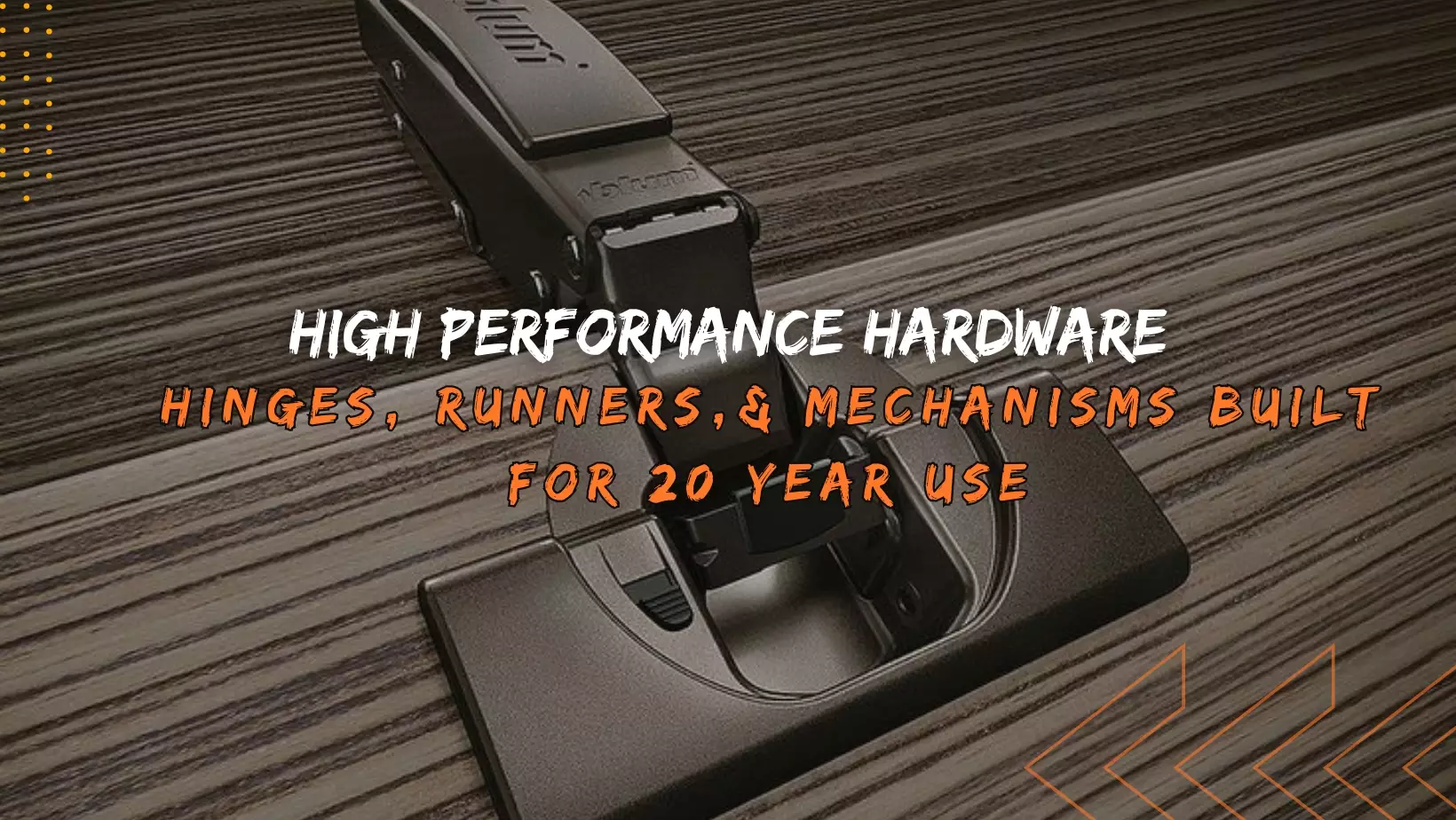
Hardware as a luxury performance feature
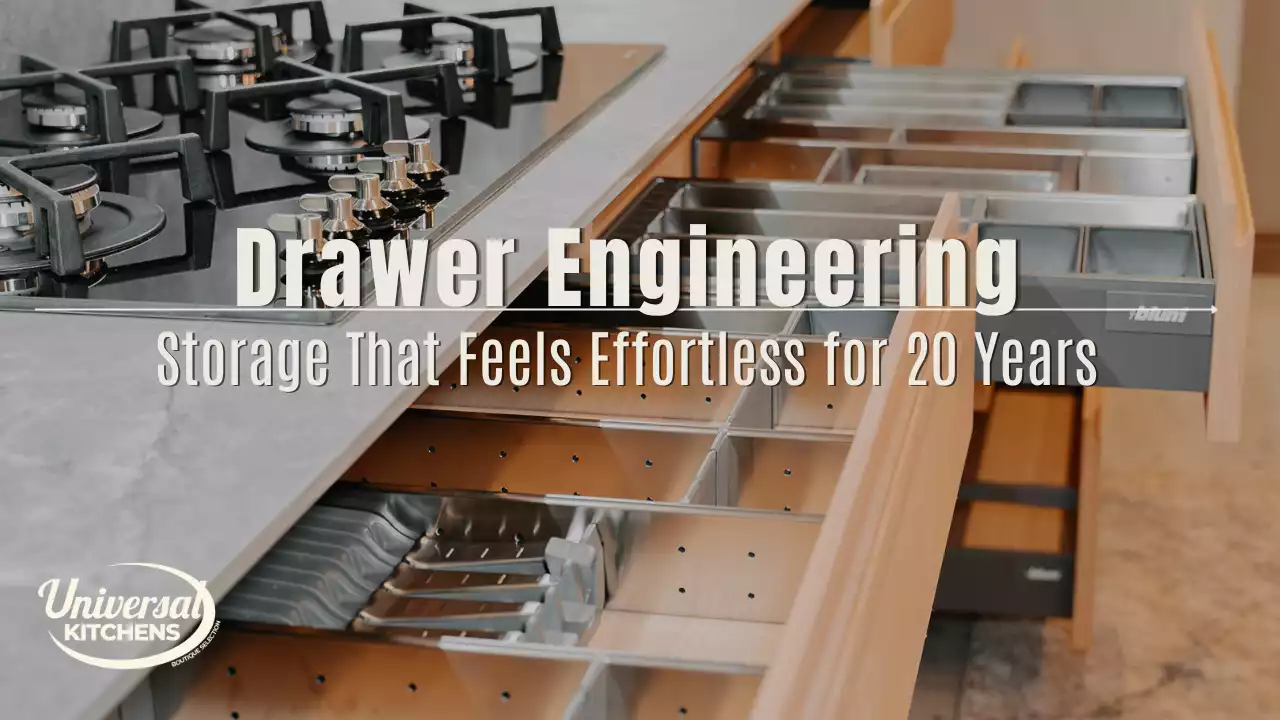
Luxury cabinetry should feel effortless: doors open smoothly, drawers glide under load, and everything closes quietly and precisely. That experience comes from the internal specification.
- For handleless fronts, select engineered motion technologies that deliver dependable touch-to-open and refined closing action.
- For framed cabinetry, choose hinges and drawer systems that support long-term adjustment and stability.
Hardware is not an afterthought. It is the difference between cabinetry that looks premium and cabinetry that lives premium.
Three best-fit scenarios for luxury South African homes
1) Pure handleless: for minimalist, open-plan living
Choose this when:
- You want seamless visual flow across kitchen, dining, and lounge.
- You prefer a contemporary, architectural look with uninterrupted planes.
- You are committed to finishes and mechanisms specified for frequent touch.
Specification notes:
- Prioritise high-quality motion technology for a refined opening and closing experience.
- Treat grip-profile lines as a deliberate design element: consistent alignment and finish choice matter.
2) Pure framed: for heritage craft and timeless warmth
Choose this when:
- You love Shaker kitchen cupboards, in-frame cues, and crafted joinery.
- You want a kitchen that ages beautifully and feels grounded.
- You value structural confidence and long-term alignment.
Design notes:
- Consider slimmer Shaker profiles to keep the look light and contemporary.
- Pair warm timber tones with calm surfaces and restrained detailing for a sophisticated, modern classic.
3) Hybrid transitional: the safest luxury choice for most homes
This is the sweet spot for many South African properties because it balances architectural calm with warmth and depth.
A strong hybrid recipe:
- Base cabinets: handleless (often grip-profile) for clean lines and easy movement.
- Tall units or feature wall: refined framed doors in a slim Shaker profile for character and texture.
- Pantry, scullery, or bar zone: a tactile framed moment balanced by minimal main runs.
This approach supports a layered, bespoke result: visually quiet where you want calm, and richly detailed where you want character.
Visual ideas to help you decide faster
- A side-by-side door sample set: slab handleless, grip-profile handleless, and slim Shaker framed in the same finish.
- A “touch point” map: identifying the most-used zones so finishes and mechanisms can be specified accordingly.
- A mechanism experience board: allowing clients to feel the difference between opening systems and closing quality.
- A coastal durability sample set: sealed plywood options and edge-finishing examples for humidity-prone homes.
Invest in the style you will enjoy living with
The handleless vs framed kitchen cabinets decision is not about which look is better. It is about choosing the luxury experience you want every day, and protecting that experience with the right materials, mechanisms, and craftsmanship.
If you want pure minimalism, specify engineered opening systems and finishes that perform beautifully under real use. If you want warmth and timeless character, refined framing and slim Shaker detailing deliver elegance with staying power. If you want the strongest all-round solution, a transitional hybrid often offers the most liveable form of luxury: calm lines, rich texture, and long-term quality you can feel.